
By Top Tier Roofing and Exteriors
Do you live in Ohio between Columbus and Cleveland? If so, your roof takes a beating from Mother Nature that many homeowners don’t fully understand. You may think Minnesota or Wisconsin weather is worse on roofs than our climate in Ohio. Those colder states experience harsher temperatures than we do. But here’s a fun fact most homeowners don’t know until we explain it to them: Ohio destroys roofs faster than Minnesota or Wisconsin. Our freeze/thaw cycles are relentless. Every single day during late winter, we can see temperatures go from freezing to above freezing and back again. Your roof doesn’t get a break.
At Top Tier Roofing and Exteriors, we have proudly served all homeowners throughout Ohio. We’ve learned that Mother Nature just doesn’t play nicely with our roofs here in the Buckeye State. Why? What is it about Ohio’s weather that is so harsh on homes? Once you understand the reasoning behind it, you can take action to protect your roof from these effects.
Freeze/Thaw And Your Roof: What’s the big deal?
Okay, so let’s nerd out for a second. Water, when frozen, expands by about 9%. That doesn’t sound like a lot, right? Think about that happening on your roof hundreds of times throughout a typical Ohio winter.
Let’s say it rains during the day, temperatures reach the low 40’s. Then the sun goes down that night, and temperatures drop to 28 degrees. That water that is stuck beneath a shingle or curled up under flashing expands. It expands by about 9% from the space it occupied the night before. Then, the next day, it rains… and those temperatures drop below freezing once again.
Water seeps into the spot where the ice expanded overnight. Little by little, that freeze/thaw cycle eats away at your roof materials. Try to imagine that happening 50-70x more often than in Minnesota.
That is Mother Nature ruining your roof on your Ohio home. In most winters in Minnesota, there are about 15-20 freeze-thaw cycles. Here in Ohio, we experience around 50-70 cycles during a single winter season. Sometimes more. Expand. Contract. Repeat. Your roofing undergoes this process hundreds of times a year, and eventually your roof will show signs of wear. Roofing materials don’t bend like a paperclip. Instead, freeze/thaw cycling pries apart every seam on your roof.
Roofing Materials
Different materials handle our Ohio climate differently. As always, there are pros and cons to each material. Some stand up to freeze/thaw cycles better than others. We install many roofing materials in Ohio, so we have seen what works and what doesn’t.
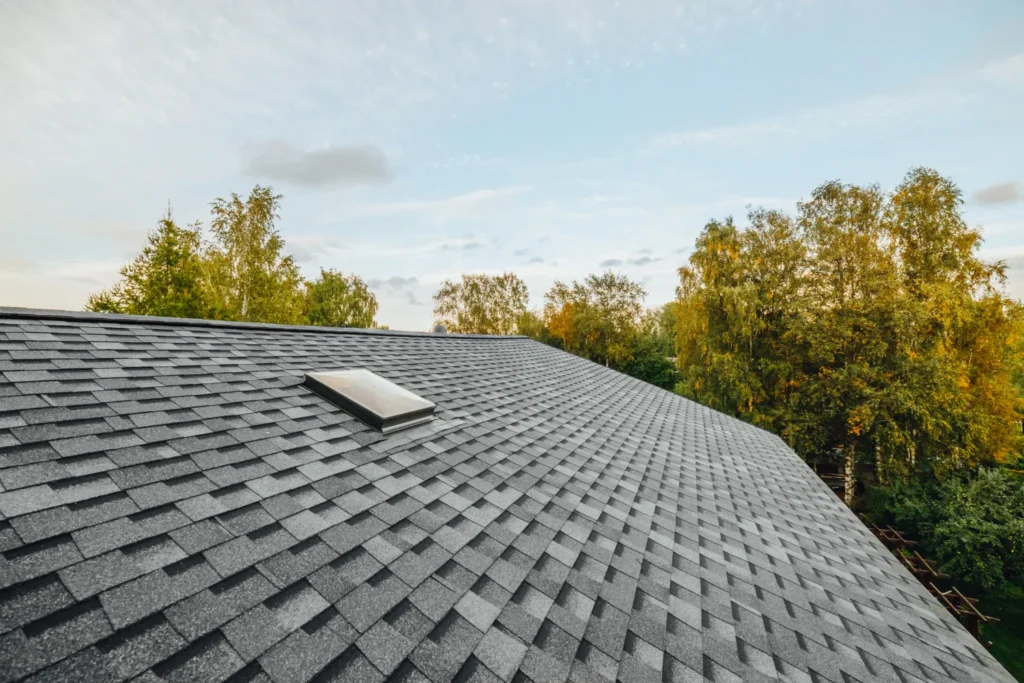
Asphalt shingles are the most common roof type you will find here in Ohio. When properly maintained and installed, they can hold up against our crazy weather pretty well. Quality shingles have granules that help water shed off of them before it pools. However, as asphalt shingles age, the granules wear off, and the base material becomes more porous. Older roofs absorb more water. More water means more freezing inside the roofing material itself. We’ve seen roofs where the shingles look good as new from the ground. Yet once we get up there, we notice they are brittle and cracked from freeze/thaw damage. The effects of this process basically accelerate the aging of your roof materials.
Metal roofs have become very popular over the last couple of years here in Ohio. Metal, as a material, can handle the expansion and contraction from our crazy temperatures quite well. It’s when you start looking at seams and fasteners that you can run into issues. Installation is key when it comes to metal roofing. If your installer doesn’t allow enough room for thermal movement when attaching the metal panels to your roof, you may run into trouble. Or they overtighten screws, you’ll begin to experience issues. We’ve seen roofs that looked fantastic but leaked at every screw. Because the installer did not account for Ohio’s temperatures when installing.
Flat or low-sloped roofs also experience issues from freeze-thaw cycles. Because water can pool on these roofs, even a minor drainage issue becomes a BIG problem when that standing water freezes. Ice can lift membrane seams and weaken the adhesive bonds that hold it together. If you have a flat roof section over your garage, porch, or home addition, make sure you pay extra special attention to these areas when cleaning your roof off in the fall.
What areas of your roof are most susceptible to freeze/thaw damage?
After inspecting thousands of roofs, we have learned what areas of the roof fail first. By knowing these trouble spots, you can pay close attention to them when inspecting a roof.
Roof valleys are the worst
The place where 2 roof planes meet and direct water towards your gutters. During freeze/thaw cycles, most ice forms here. Water runs down into the valley. Pool up for a minute. Then freeze and expand overnight. When it thaws, the water will run through your valley and repeat the process. Ice bridging can occur, making the valley flashing lift up, and work your shingles loose. Not to mention gaps that form, allowing water to get behind shingles. Make sure to inspect your roof valleys first when walking your roof.
Flashing around chimneys, vents, and skylights
Every roof penetration location is a place where 2 different materials meet. Different types of roofing materials expand and contract at different rates and temperatures. A chimney that was sealed perfectly to your flashing in August can begin to separate due to freezing temperatures in February. That’s because your roof deck and chimney are moving differently during these temperature changes. Ice forming in these small gaps will only make them become bigger. Inspect all roof penetrations for rusted flashing, lifted edges, or cracked sealant.
Nails
Every nail on your roof is a hole going through your roof. Professional roofers know this and place and seal nails properly. However, even a good nail can become suspect over time. Freeze/Thaw cycling allows small amounts of water to work its way along the shank of a nail. Freeze and enlarge the hole the nail is in over time. You eventually are left with a nail that’s lying in an oversized hole. This creates a direct path for water to enter your roof deck. Once inside your home, it tends to show up as a random stain on your ceilings.
The Battle Between Lakefront and Inland Ohio Roofs
This is what makes roofing in Ohio so unique. Just because you live in Central Ohio doesn’t mean your roof experiences the same weather as your neighbor’s does 50 miles north or south.
Lake Erie affects the weather dramatically in northeast Ohio. This means homeowners in the Mentor, Ashtabula, and Lake areas experience more freeze-thaw cycles than we do in Central Ohio. Water temperatures from the lake are just right at freezing many mornings during winter. While we may see a good hard freeze here in Columbus that lasts for days. The lake areas may bounce above and below the freezing mark throughout the day. Every day.
More freeze/thaw cycles mean your roof ages faster than your neighbor’s. If you live within 30 miles of Lake Erie, your roof has a tougher job than one 30 miles inland. Then you have to factor in the snow content. Snow from the lake holds more moisture than snow here in Central Ohio. More snow = More meltwater. More opportunities for that water to work under shingles and into tiny openings. Also, the weight of snow plus ice can really pile on your roof structure in these areas. Homeowners who live near the lake may want to shorten their roof inspection interval slightly. Or ask your roofer about adding extra ice and water shield when replacing your roof next time.
Inland cities like Columbus and Marion have their own struggles as well. We may not see as many freeze-thaw cycles as our lakefront friends do. But when we do see temperatures swing, it can be pretty drastic. One thing we see a lot in Columbus is temperatures that start in the upper teens. Climb to the mid-40s by lunchtime and drop back down overnight. That 30-degree temperature range in 24 hours wreaks havoc on your roof just as much as constantly bouncing around the freezing mark does.
Winter Roof Tips
Now that you understand the why. It’s time to do something about it! Follow these roofing tips to ensure you protect your roof from Ohio winters. Schedule bi-annual roof inspections. Yes, we know… You’re tired of hearing it. But truly, a thorough roof inspection by an expert is the best form of prevention. Twice a year, ideally in Late Fall before winter hits and then again in Early Spring. A knowledgeable set of eyes can catch most problems developing that you would never see. Tackle them in November before they become huge issues come spring. Then, inspect your roof after winter to catch any damage that may have occurred during the winter months. We get it… Your roof looks fine from your driveway. But trust us… Most roof problems are not visible from the ground.
Keep those gutters clean!
We cannot stress this enough. Clogged gutters cause water to back up under the shingles at the roof edge. This is the perfect place for ice to do damage to your home. Ice dams form when water freezes and prevents it from draining properly. Instead, it forces water to run uphill… Yep, you read that right. Under your roofing material! Cleaning out your gutters at least twice during the fall season is VERY important. Make sure your downspouts carry water far away from your home as well. Gutter guards might be something to look into if you struggle with leaves every fall.
Venting
Make sure your roof has proper ventilation. A properly vented attic allows your roof deck to be close to outside temperatures. This reduces ice dam build-up. Heat from inside your home rises into your attic, warming your roof deck. Causing snow to melt unevenly. That water then rushes to the colder areas of your roof and freezes. Proper ventilation and attic insulation work together to break this cycle and can greatly extend your roof’s lifespan.
Invest in a quality roof
When it’s time to replace your roof, spend a little more on quality materials. Those cheaper shingles may look like a great deal. But with our weather here in Ohio, you’ll be replacing it years before you should. Ask your contractor about installing an ice-and-water shield membrane under your roofing materials. Especially in valleys and along your roof’s edge. Self-sealing underlayments are great when your primary roof materials become compromised. We suggest all our lakefront customers add extra coverage with ice and water shield when replacing their roof.
Don’t wait for the problem to get worse. That tiny hole in your chimney flashing isn’t going to magically seal itself. Before you know it, we will be into spring, and that little hole turned into a leak. Leaks that cause stains on your ceilings and ruin your insulation. Temperature swings are so common in Ohio that freeze-thaw cycling can turn small issues into big problems really fast. It always costs more to replace roof materials in the winter. Than it does to simply fix the problem when you first notice it.
Don’t Neglect Your Roof
Roofs in Ohio take a lot of abuse, so don’t neglect them. Like anything that keeps your family safe and protected, you’ve got to maintain it! If you think your roof could use a professional eye, give Top Tier Roofing and Exteriors a call. We service all of Ohio from the Lake to the Capital. Let us come take a look at your roof and give you the honest opinion you deserve. Whether you need a roof replacement or just some minor repairs, we’ve got you covered (no pun intended)!